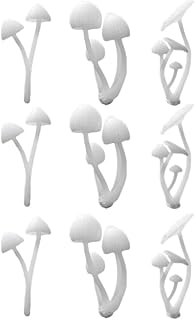
Discover the Mesmerising World of Slime Moulds in 2026
As we delve into the year 2026, the captivating world of slime moulds continues to intrigue scientists and nature enthusiasts alike. These extraordinary organisms, often overlooked in the grand tapestry of life, are not only fascinating but also play a significant role in various ecosystems. From their unique behaviours to their ecological importance, slime moulds offer a window into the intricate workings of nature.
The Biology of Slime Moulds
Slime moulds, belonging to the kingdom Protista, are neither fungi nor plants, yet they exhibit characteristics of both. One of the most remarkable features of these organisms is their ability to exist in two distinct forms: the plasmodium and the fruiting body. The plasmodium is a large, multinucleate mass that flows through the forest floor, absorbing nutrients from decaying organic matter. In contrast, when conditions are unfavourable, slime moulds can form fruiting bodies that release spores into the environment, ensuring their survival and propagation.
The Ecological Role of Slime Moulds
In 2026, researchers have made significant strides in understanding the ecological contributions of slime moulds. These organisms are crucial decomposers in forest ecosystems, breaking down complex organic material and recycling nutrients back into the soil. This process not only enriches the soil but also supports a myriad of other organisms, from bacteria to larger wildlife, creating a balanced ecosystem.
People Also Look For:
- Slime Making Kit Make Your Own Pizza Party, Mess Free, Non-Sticky Slime Kit and Air Dry Modelling Clay Set for Kids, Arts and Craf...
- 6 Packs Gradient Purple Slime Kit - Cloud, Butter & Clear Slime With Beach Add-ins, Fluffy Slime for Girls & Boys Party Bag Filler...
- Honey Slime Set with Wooden Stick Bee Decoration Mold,slime DIY Fluffy Slime Kids Toy Beautiful color,Scented and Stretchy Sludge ...
- 116pcs Party Favors Kit, Valentine's Day Fluffy Slime Making Set for Boys Girls, With Clear and Butter Slime, Mixture, Cup Model M...
- Selecto Bake Worm Silicone Mould 20 Cavities with Dropper, 1 Pack Molds Ice Cube Trays for Jelly Chocolate Soap Cake Wax, Availabl...
Intelligent Behaviour in Slime Moulds
One of the most astonishing aspects of slime moulds is their ability to exhibit intelligent behaviour despite lacking a central nervous system. Studies conducted in 2026 have demonstrated that slime moulds can solve complex mazes, find the shortest paths to food sources, and even communicate with one another through chemical signals. This has led scientists to explore the potential applications of slime mould intelligence in fields such as robotics and network design, where their problem-solving abilities could inspire innovative solutions.
Slime Moulds in Urban Environments
As urbanisation continues to encroach upon natural habitats, slime moulds have begun to adapt to city environments. In 2026, researchers are documenting how these organisms thrive in parks, gardens, and even on pavements. Their presence in urban settings not only highlights their resilience but also underscores the importance of preserving green spaces amidst concrete jungles. Citizens are encouraged to observe and appreciate these fascinating creatures, which can often be found in damp, shaded areas, contributing to the biodiversity of urban landscapes.
The Aesthetics of Slime Moulds
Beyond their ecological significance, slime moulds are visually captivating. Their vibrant colours and intricate patterns have inspired artists and photographers alike. In 2026, various exhibitions and workshops are being held to celebrate the beauty of slime moulds, encouraging people to engage with nature and appreciate the often unseen wonders of the natural world. Artists are capturing the essence of slime moulds through various mediums, highlighting their unique forms and behaviours, and fostering a deeper connection between art and science.
Future Research Directions
The field of slime mould research is expanding rapidly, with scientists exploring new avenues of inquiry. In 2026, ongoing studies aim to uncover the genetic and biochemical pathways that govern slime mould behaviour. Understanding these mechanisms may not only shed light on the evolution of intelligence in simple organisms but could also have implications for advancements in biotechnology and medicine. Researchers are optimistic about the potential discoveries that lie ahead, as they continue to unravel the mysteries of these remarkable life forms.